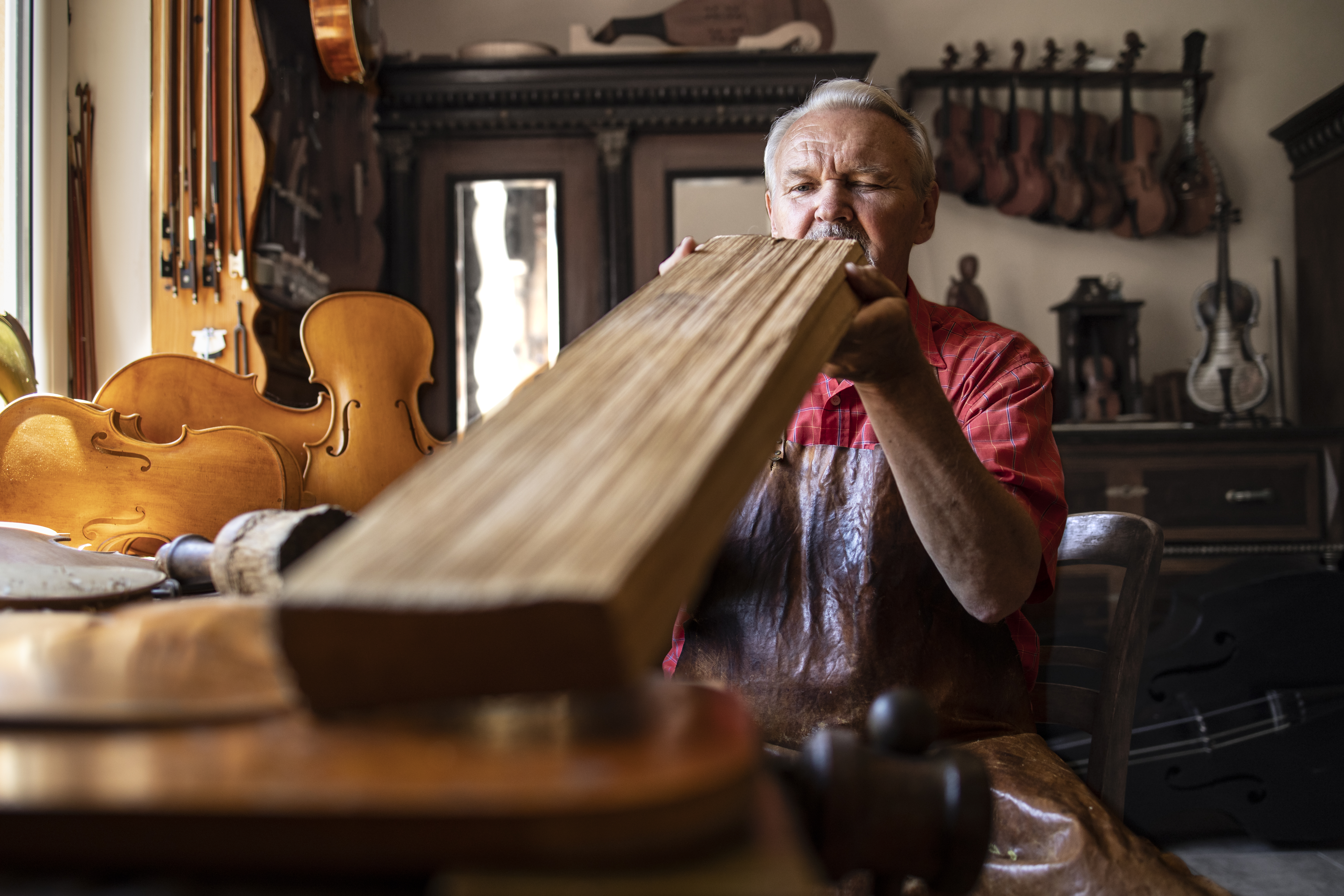
Classical music lovers, professional performers, and collectors often agree on one thing: nothing compares to the warmth, responsiveness, and soul of handmade classical guitars. Unlike factory-built instruments, handmade classical guitars carry the identity of the luthier. They?re shaped slowly and intentionally, with every brace, joint, and curve crafted by a human hand that understands wood as a living material rather than a production component.
Whether you are a concert guitarist searching for a lifetime instrument or a passionate student looking for an upgrade, choosing a handcrafted guitar opens the door to a completely different world. This guide explains what makes handmade classical guitars special, how to choose one, and?most importantly?where to buy high-quality instruments that will last generations.
What Makes Handmade Classical Guitars Special?
The defining trait of a handmade classical guitar lies in its individuality. Every guitar reflects the personal philosophy, training, and artistic taste of its maker. No two are exactly alike. The choice of tonewoods, the response of the soundboard, the voice of the instrument, and even the smell when you first open the case?everything shows the touch of a human craftsperson.
Handmade guitars differ from factory-produced ones in several ways:
- Superior tone and projection: The luthier taps the soundboard, adjusts thickness by hand, listens to the vibrations, and creates an instrument with a deeply personal voice.
- Better materials: Master luthiers select high-grade spruce, cedar, rosewood, mahogany, or exotic woods, often aged for decades.
- Longer lifespan: Artisanal instruments are built to last, with careful bracing patterns, hide-glue joints, and delicate finishing.
- Custom feel: Neck width, action, and scale length can be shaped for your exact playing style.
Because of this, a handmade classical guitar is not simply ?bought??it?s chosen. And for many musicians, it becomes a lifelong companion.
How Luthiers Build Handmade Classical Guitars
Understanding the creation process helps buyers appreciate the craftsmanship behind each instrument. Here?s how a luthier typically constructs a handmade classical guitar:
1. Tonewood selection ? Wood determines the guitar?s personality. Cedar produces warmth and fast response, while spruce offers clarity and dynamic range. Rosewood adds deep overtones, while maple gives bright transparency.
2. Hand-carved bracing ? Bracing shapes the voice of the guitar. Techniques vary: Torres-style fan bracing, lattice bracing, double-top construction, or modern hybrids.
3. Bending the sides ? Using heat, patience, and precision, the luthier forms the guitar?s curves, ensuring structural stability and resonance.
4. Soundboard tuning ? The top is shaved, tapped, and tuned meticulously, one of the most important steps in defining the guitar?s voice.
5. Neck and fretboard crafting ? The neck shape, angle, and fretboard radius define the playability and comfort.
6. French polish finish ? Many luthiers use shellac applied by hand, resulting in a thin, resonant finish that enhances tone.
Each guitar can take anywhere from 150 to 300 hours to complete. That?s why handmade classical guitars are treasured by musicians who want authenticity rather than mass-production uniformity.
Where to Buy Handmade Classical Guitars
Finding the right handmade instrument requires searching in reliable places?workshops, specialized dealers, and curated online platforms. Below are the best options for discovering authentic luthier-built guitars.
1. Directly From the Luthier's Workshop
This is the most intimate and rewarding buying experience. You meet the maker, try several guitars, discuss your playing style, and even commission a custom instrument built just for you.
Top reasons to buy directly from a luthier:
- You can test multiple guitars built by the same maker.
- You learn the philosophy behind the construction.
- You can request customizations such as wood choice or neck dimensions.
Many luthiers have long waiting lists?sometimes years. But for musicians seeking perfection, the wait is worth it.
2. Specialized Classical Guitar Shops
These stores curate handmade classical guitars from globally respected luthiers. The advantage: you can compare several makers in one place. Professional staff help you choose based on tone, projection, and technique.
Well-known types of shops include:
- Boutique classical guitar showrooms
- Guitar salons with concert-level instruments
- Dealers who represent both emerging and master luthiers
Such shops often host concerts, demonstrations, and instrument trials?an excellent chance to hear guitars played live.
3. Online Marketplaces for Handmade Classical Guitars
Many luthiers and trusted dealers sell online, offering detailed photos, sound samples, wood specifications, and expert descriptions. When purchasing online, consider:
- Return policy
- Shipping insurance
- Recorded sound samples (preferably played with the same microphone setup)
- Authenticity certificates
Buying online can be a safe and convenient solution if you cannot travel to a workshop or dealer physically.
4. Guitar Festivals and Luthier Exhibitions
International guitar festivals bring dozens of luthiers together in one location. You can try handmade classical guitars from all over the world in a single day. These events often include masterclasses, concerts, and lectures about instrument building.
For collectors and concert performers, festivals are the ultimate opportunity to explore new makers and compare instruments side-by-side.
How to Choose the Right Handmade Classical Guitar
Before purchasing, pay close attention to a few essential characteristics:
- Tonal character ? Do you prefer warm cedar or bright spruce?
- Projection ? Can the guitar fill a concert hall?
- Playability ? Check the neck shape, action, and fret spacing.
- Wood aging ? Older, stable wood usually produces better resonance.
- Aesthetic details ? Rosette design, purfling, and overall craftsmanship reflect artistic personality.
Take your time. A handmade classical guitar is a long-term investment that will evolve with you as you grow as a musician.
Price Range of Handmade Classical Guitars
Prices vary widely depending on the maker, experience, tonewood, and design complexity. Generally:
- Emerging luthiers: $2,000?$4,000
- Mid-career luthiers: $5,000?$9,000
- Master luthiers: $10,000?$30,000+
The price reflects the time, materials, and artistry invested?not just the market value.
Why Handmade Classical Guitars Appreciate in Value
Unlike mass-produced instruments, handmade guitars often increase in value over time, especially if the luthier becomes well-known. Collectors look for:
- rare tonewoods no longer available
- unique bracing techniques
- limited production (often 5?15 guitars per year)
In this sense, buying a luthier-made guitar is both an artistic and financial investment.
Final Thoughts
Choosing among the world?s finest handmade classical guitars is a deeply personal experience. Whether you purchase directly from a luthier, explore a boutique guitar salon, or browse curated online selections, the goal remains the same: find an instrument that speaks to you. A handmade guitar becomes a partner in your musical journey?one that grows richer with every note.
To explore more handcrafted artistry, visit our homepage for additional guides, resources, and updates on artisan instrument craftsmanship.